

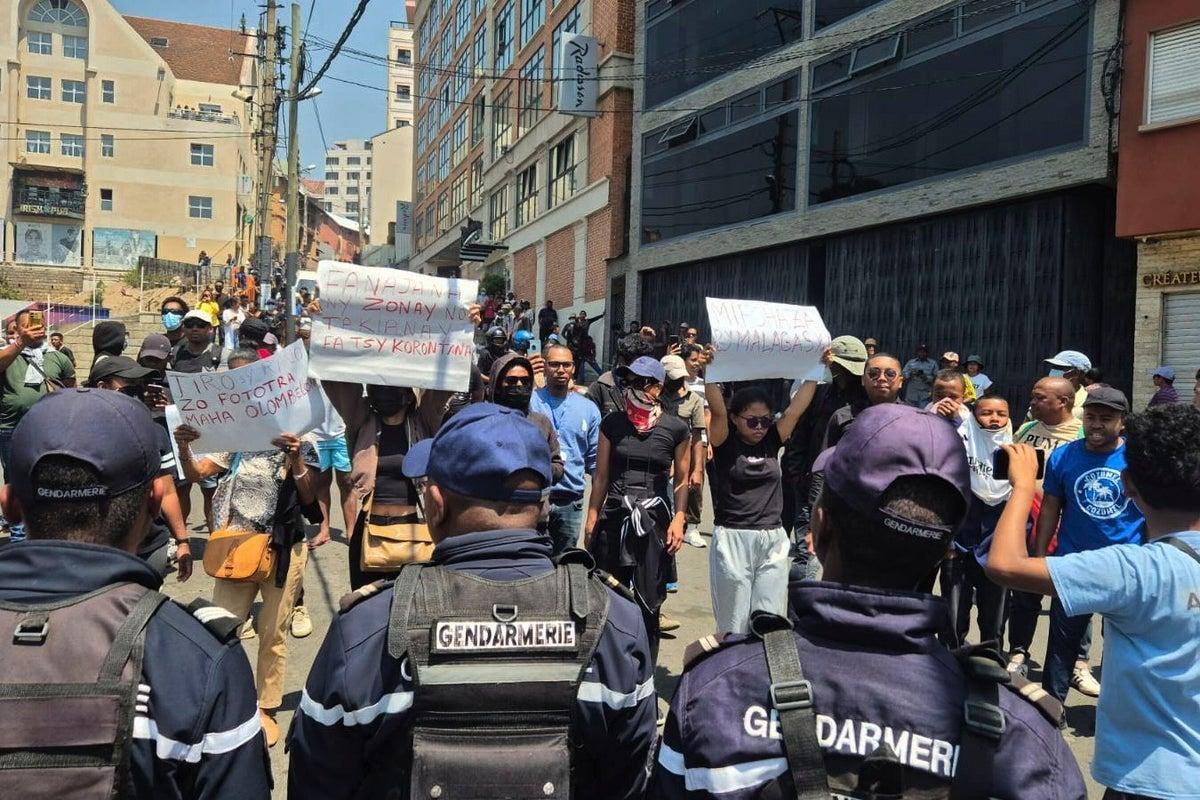
Antananarivo, Madagascar – September 26, 2025 – In a bid to quell mounting chaos, Madagascar’s authorities have rolled out a strict curfew across the country, effective from dusk until dawn, after a surge of violent protests against crippling water and electricity shortages claimed lives and paralyzed daily life. The measures, announced amid three consecutive days of unrest starting September 22, come as frustrated citizens in the capital and beyond vent their anger over unreliable basic services, exacerbated by recent natural disasters and systemic failures.
The island republic, often celebrated for its extraordinary wildlife and vanilla-rich landscapes, is grappling with a utilities meltdown that has left millions in the dark and parched. Sparked by announcements of deeper rationing from the national provider Jirama, the outcry has evolved from organized marches into fierce confrontations, with protesters torching infrastructure and hurling projectiles at law enforcement. Eyewitness accounts describe scenes of pandemonium in Antananarivo’s crowded neighborhoods, where families huddle by candlelight and queue endlessly for scarce water amid fears of disease.
The Spark: Natural Disasters Meet Infrastructure Woes
This latest flare-up traces back to a brutal year of environmental assaults. Tropical cyclones Gemma and Hidaya ravaged the nation in February and April, respectively, ripping through power lines, flooding treatment plants, and leaving behind a trail of destruction in the vulnerable southern and eastern provinces. Layered on top is a punishing drought linked to El Niño patterns, which has drained reservoirs and crippled hydroelectric dams that supply much of the country’s energy.
Jirama, the state-run entity tasked with delivering power and water, is buckling under the pressure. Daily blackouts now stretch up to 12 hours in cities, while rural water access is limited to sporadic bursts—sometimes just two hours every few days. Official figures from the World Bank reveal stark disparities: reliable electricity reaches only about 15% of households, and safe water is available to roughly half the population. In the capital, storage levels hover perilously at 30%, driving up costs for private alternatives that many in the poverty-stricken nation—where 80% scrape by on less than $2 a day—simply cannot afford.
The tipping point arrived on September 20 when Jirama cited a staggering $1.2 billion debt backlog and shrinking subsidies to justify expanded cuts. Long-simmering accusations of graft and neglect under President Andry Rajoelina’s leadership have only amplified the discontent. “Our homes are prisons without light or water—how can we build a future like this?” lamented Antananarivo resident Jean-Pierre Andrianarisoa, a father of three, to reporters on the streets.
From Marches to Mayhem: A Timeline of Turmoil
The demonstrations kicked off with relatively calm gatherings outside Jirama facilities, as locals in Antananarivo and the port hub of Toamasina called for urgent fixes. By September 23, tensions boiled over in Toamasina, where crowds breached a key substation, triggering outages for tens of thousands and halting port operations critical to exports like spices and minerals.
Wednesday marked the deadliest escalation. In the capital, thousands converged near government buildings, erecting flaming roadblocks and clashing with riot police who deployed tear gas, stun grenades, and non-lethal rounds. Verified videos captured the frenzy: vehicles ablaze, storefronts ransacked, and medics rushing the wounded. Authorities report four fatalities—two civilians from bullet wounds and two officers in the melee—alongside scores hurt and over 200 detained. Further south in Fianaranstoa and Ambovombe, farmers used heavy machinery to seal off supply routes, protesting the barren fields that threaten food security.
Human rights advocates, including Amnesty International, have flagged concerns over police tactics, documenting cases of alleged brutality during arrests. The Malagasy Red Cross has mobilized to aid victims suffering from trauma, exhaustion, and exposure to irritants.
Leadership’s Response and Broader Repercussions
In a late-night address, President Rajoelina framed the curfew—running from 6 p.m. to 5 a.m.—as a safeguard for public safety, vowing to inject $20 million into Jirama’s revival efforts. He attributed the woes to “unpredictable climate events” and sought global partnerships for long-term solutions, including potential solar expansions and international loans. Troops and patrols have flooded urban zones, enforcing the lockdown that could persist beyond the initial 48 hours if violence persists.
The fallout extends far beyond the streets. The UN’s humanitarian arm, OCHA, cautions that disruptions could tip 1.4 million into severe hunger, as blackouts sabotage farming pumps and storage for staples like rice. Health experts warn of spiking waterborne illnesses, with cholera incidents already climbing 40% year-over-year per UNICEF data. Economically, the $4 billion GDP—buoyed by agriculture and trade—faces hits from stalled shipments through ports like Toamasina.
World leaders are sounding alarms. The African Union advocates for calm negotiations, while France offers engineering expertise rooted in its colonial ties. The US has committed $5 million in aid packages, including portable water systems, tied to peaceful resolutions. China, a major backer of Malagasy projects, prioritizes order to shield investments, and the SADC eyes regional talks to broker peace.
A Nation at the Crossroads
As silence descends under the curfew’s veil, Madagascar’s diverse terrains—from fog-veiled plateaus to storm-battered shores—bear witness to a populace pushed to the edge. With another cyclone season on the horizon and no immediate relief in view, these uprisings expose the fragility of progress in one of Africa’s most isolated gems. For residents like Andrianarisoa, the demand is simple yet profound: restore the essentials that sustain life, before the darkness engulfs them all.