


By Staff Reporter
Rising tensions across several regions of the world are raising concerns among global leaders and analysts about the devastating impact of modern wars. Conflicts involving Israel, Iran, Palestine, Ukraine, Russia, the United States, and members of the North Atlantic Treaty Organization are reshaping the geopolitical landscape while leaving behind immense humanitarian and economic damage.
Experts warn that the interconnected nature of these wars could deepen global instability if diplomatic solutions are not urgently pursued.
Rising Tensions Across Regions

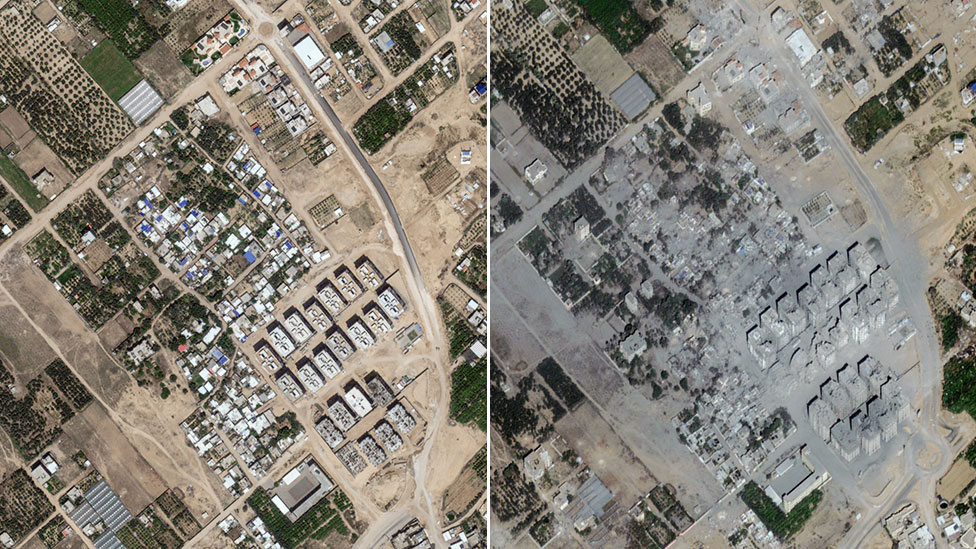
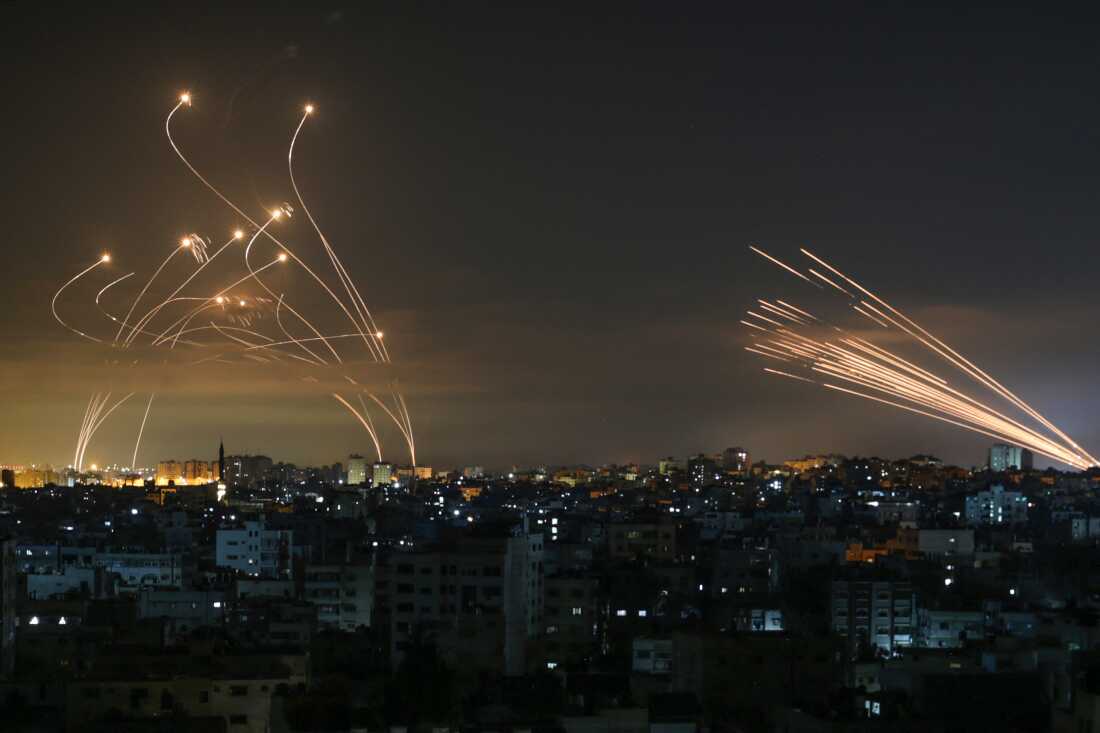
The war between Russia and Ukraine, which began with Russia’s full-scale invasion in 2022, continues to dominate international headlines. Heavy fighting persists along front lines in eastern Ukraine, while missile and drone attacks frequently target energy facilities and urban centers.
At the same time, the long-running conflict between Israel and Palestine has intensified following the war in Gaza that began in 2023. Entire neighborhoods have been reduced to rubble, and humanitarian agencies report severe shortages of food, medicine, and shelter for civilians.
Meanwhile, tensions between Israel and Iran have escalated sharply, with both countries exchanging threats and military strikes through proxy groups and direct attacks. The situation has drawn in the United States, a key ally of Israel, raising fears that the conflict could widen further.
A Growing Humanitarian Crisis
Humanitarian organizations say civilians continue to pay the highest price in these wars. Millions of people have been displaced from their homes across Ukraine and Gaza Strip, while thousands have been killed or injured.
Hospitals, schools, and residential areas have been repeatedly damaged or destroyed, leaving communities without essential services. Refugee camps in neighboring countries are struggling to cope with the growing number of people fleeing violence.
Aid agencies warn that without sustained humanitarian assistance, the suffering could worsen dramatically.
Global Economic Shockwaves
The effects of these conflicts extend far beyond the battlefields. The war in Ukraine has disrupted global grain supplies, while rising tensions in the Middle East threaten energy production and shipping routes.
Instability involving Iran has raised concerns about potential disruptions to oil transport through the Strait of Hormuz, one of the world’s most critical energy corridors.
Economists warn that prolonged conflict could drive up fuel prices, worsen inflation, and slow economic growth worldwide.
NATO and Global Alliances
Military alliances have played a significant role in shaping the course of these conflicts. The North Atlantic Treaty Organization and the United States have provided military assistance and financial support to Ukraine, helping the country defend against Russian forces.
Meanwhile, Iran has strengthened ties with Russia, highlighting the growing geopolitical rivalries shaping today’s conflicts.
Analysts say these alliances increase the risk that regional wars could evolve into broader international confrontations if tensions escalate further.
Environmental and Infrastructure Damage
Modern warfare has also caused widespread environmental destruction. Missile strikes, artillery bombardments, and drone attacks have damaged power plants, transportation networks, and industrial facilities.
In Ukraine, repeated strikes on energy infrastructure have left millions facing power shortages during winter months. Similar destruction in Gaza Strip has crippled water and sanitation systems, increasing the risk of disease outbreaks.
Experts warn that environmental damage from these wars could take decades to repair.
Calls for Diplomacy
As fighting continues, international organizations and world leaders are urging renewed diplomatic efforts to prevent further escalation.
The United Nations and other international bodies have repeatedly called for ceasefires, humanitarian access, and negotiations aimed at long-term peace.
Analysts warn that without sustained diplomacy and cooperation among global powers, the devastating effects of these wars could deepen, threatening global stability and security.
A World Watching Closely
For many observers, the simultaneous conflicts in Eastern Europe and the Middle East represent one of the most volatile periods in international politics in recent decades.
While diplomatic efforts continue, the world remains watchful as these wars unfold—aware that their consequences may shape global politics, economies, and societies for generations.