


By Staff Reporter
As global conflicts intensify and geopolitical rivalries deepen, questions are increasingly being asked about the future role of the United Nations in maintaining global peace and stability. Created in 1945 after the devastation of the World War II, the UN was designed to prevent future global wars and promote cooperation among nations.
However, in a world marked by rising nationalism, shifting alliances, and simultaneous conflicts across multiple regions, the effectiveness of the global body is facing unprecedented scrutiny.
A System Under Pressure
Today’s international landscape is defined by competing power blocs and prolonged conflicts. Wars and tensions involving Russia and Ukraine, the crisis between Israel and Palestine, and escalating tensions involving Iran, the United States, and members of the North Atlantic Treaty Organization have highlighted the limits of international diplomacy.
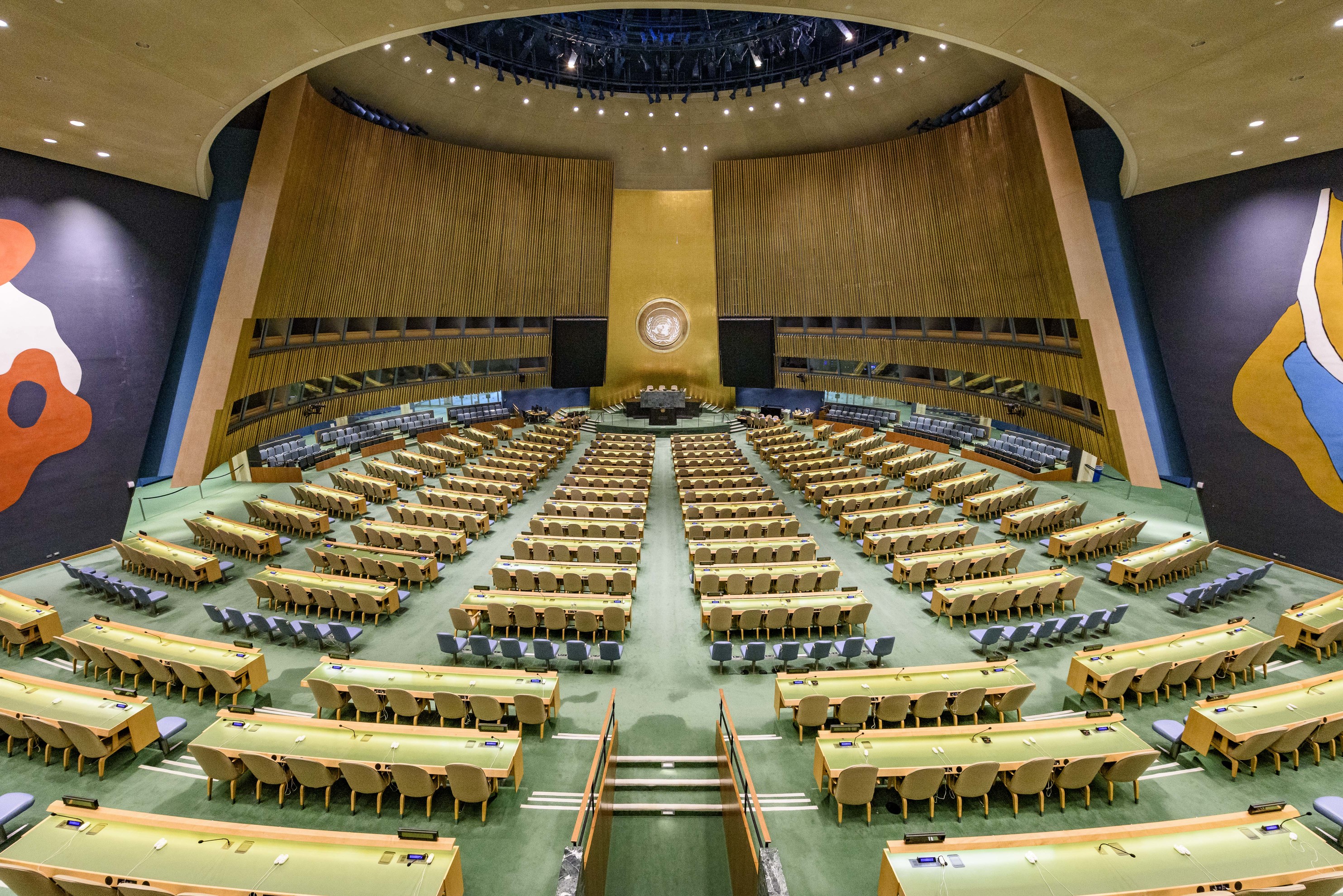


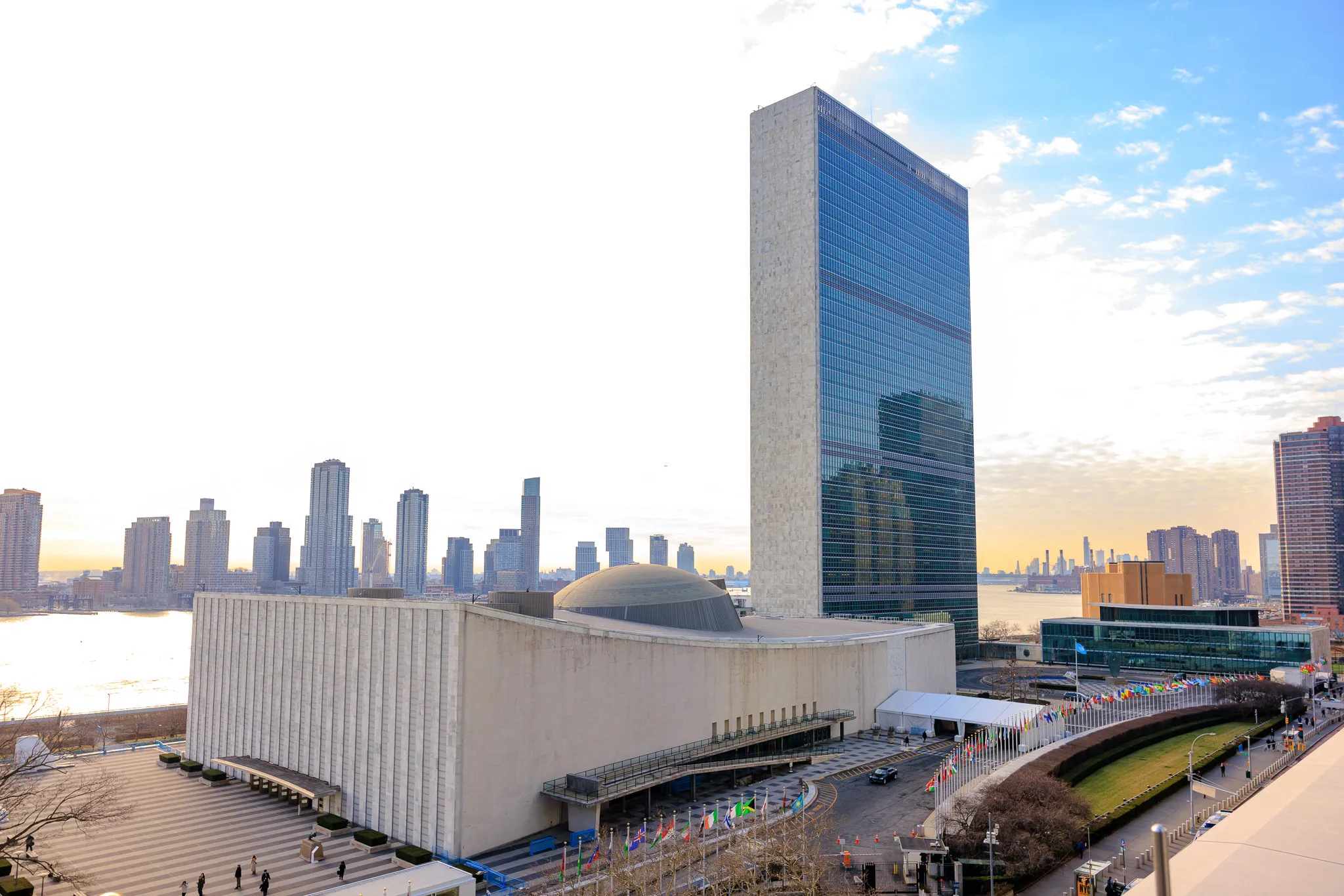
In many cases, the UN’s United Nations Security Council has struggled to take decisive action due to veto powers held by its five permanent members: the United States, Russia, China, United Kingdom, and France.
When these powers are directly or indirectly involved in conflicts, consensus becomes difficult, often leaving the organization unable to intervene effectively.
The Rise of Multilateral Chaos
Analysts describe the current international climate as one of multilateral chaos—a period where traditional global institutions struggle to coordinate responses to crises.
In the past, the UN played central roles in mediating conflicts, deploying peacekeeping missions, and coordinating humanitarian aid. But in today’s fragmented geopolitical environment, competing national interests often overshadow collective action.
Regional alliances such as North Atlantic Treaty Organization, emerging economic blocs, and informal coalitions are increasingly shaping global decisions outside the UN framework.
This shift raises critical questions: can the UN adapt to the changing world order, or will it become less relevant in global governance?
Possible Futures for the United Nations
As the international system evolves, experts suggest several possible scenarios for the future of the United Nations.
1. Reform and Renewal
One scenario involves significant reform of the UN system. Many countries have called for changes to the United Nations Security Council, including expanding permanent membership and limiting the veto power of the current five permanent members.
Such reforms could make the organization more representative of today’s global balance of power, giving emerging nations greater influence in decision-making.
If successful, this transformation could restore confidence in the UN as the primary forum for resolving international disputes.
2. A Reduced but Stabilizing Role
Another possibility is that the UN maintains a more limited but still vital role. Even if it struggles to prevent major geopolitical conflicts, the organization may continue to play an essential role in humanitarian relief, peacekeeping, and international development.
Programs coordinated through UN agencies already address global issues such as food security, refugee support, climate action, and public health.
In this scenario, the UN becomes less of a political decision-maker and more of a global coordinator for humanitarian and development efforts.
3. Fragmentation of Global Governance
A more pessimistic scenario sees the world moving toward a fragmented system where global institutions weaken and regional alliances dominate.
Under this model, powerful states and military blocs increasingly manage conflicts and global issues independently of the UN framework. This could lead to inconsistent international rules and heightened geopolitical competition.
Without a strong multilateral system, smaller nations could find themselves with limited protection in international disputes.
4.4 A New Global Institution
Some analysts suggest that if the UN fails to adapt to modern geopolitical realities, the world could eventually see the emergence of new international institutions designed to reflect contemporary power structures.
Such organizations might include broader representation from emerging economies and regional powers, reshaping the way global governance functions.
However, creating a new global institution would likely take decades and require unprecedented international cooperation.
Entering an Uncertain Global Order
The world is entering a period marked by rapid technological change, economic competition, and shifting power dynamics. Conflicts in Europe and the Middle East, combined with strategic rivalry among major powers, are reshaping international relations.
In this uncertain environment, the future of the United Nations remains deeply tied to the willingness of nations to cooperate rather than compete.
Conclusion
For more than seventy years, the United Nations has served as the cornerstone of the international system, helping prevent another global war while promoting dialogue and cooperation.
Yet the rise of multilateral chaos presents one of the greatest challenges in its history. Whether through reform, adaptation, or transformation, the organization must evolve to remain relevant in an increasingly complex world.
As global tensions grow, the question is no longer whether the international system will change—but how the world will shape the institutions responsible for maintaining peace and stability in the decades ahead.