

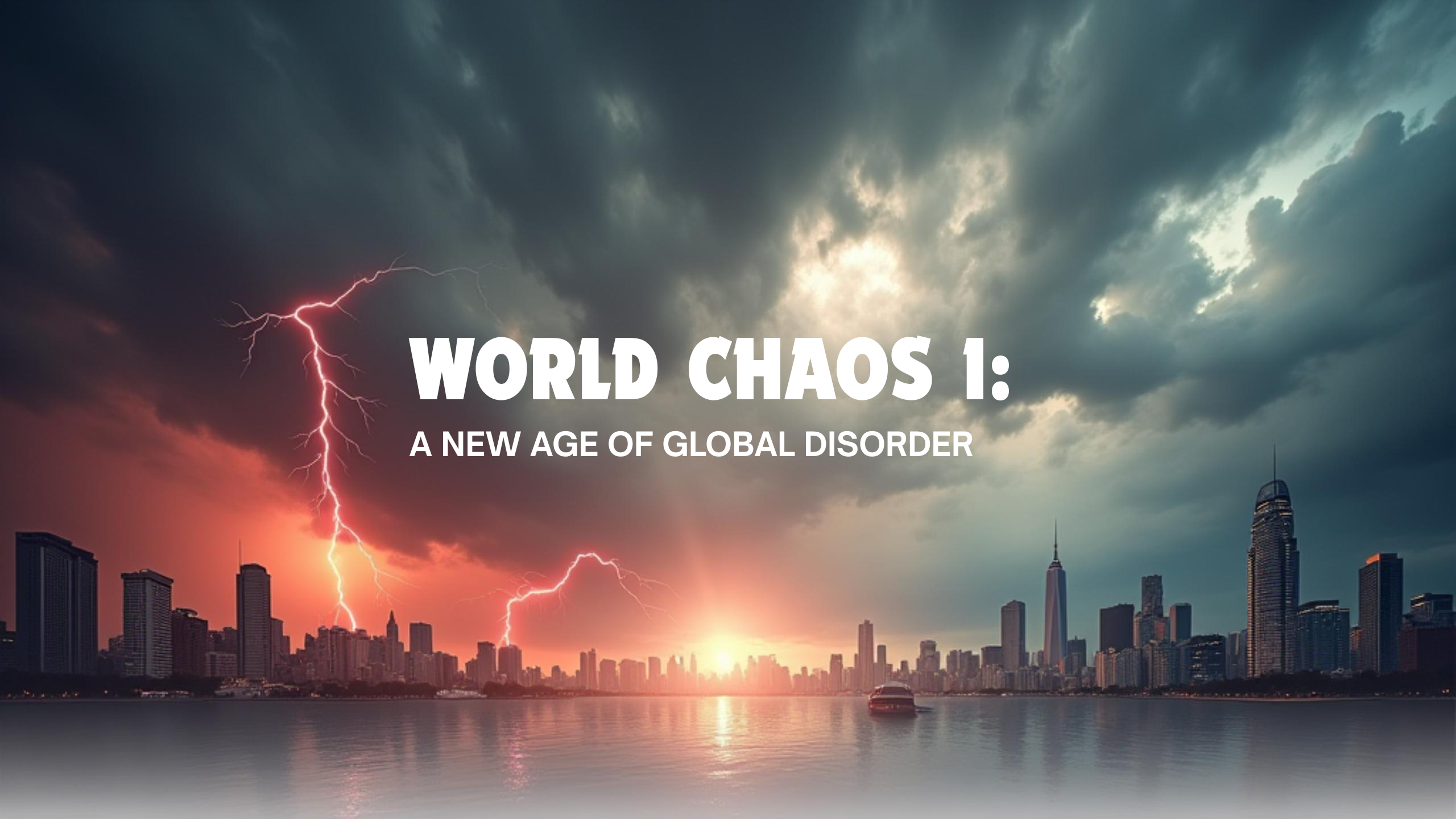
The contemporary global landscape is marked by escalating conflicts and the unraveling of the multilateral system that once served as the foundation for international peace and stability. Current wars—ranging from the protracted conflict in Ukraine to intensifying violence in the Middle East and the Horn of Africa—expose a disturbing reality: powerful nations increasingly violate international norms and institutions, undermining the very framework designed to prevent such chaos.
The post-World War I and World War II eras taught the world invaluable lessons about the catastrophic consequences of unchecked nationalism, unilateral aggression, and the failure of diplomacy. These devastating conflicts underscored the necessity of multilateral cooperation, respect for international law, and the establishment of institutions to manage disputes peacefully. The creation of bodies such as the United Nations was a direct response to these lessons, aiming to foster dialogue, collective security, and conflict resolution.
However, today’s state behaviour increasingly contradicts these hard-earned lessons. Instead of upholding diplomacy and multilateralism, many powerful countries pursue aggressive policies, territorial ambitions, and military interventions without regard for international consensus or legal frameworks. This resurgence of unilateralism and disregard for international law echoes the very failures that precipitated the world wars, threatening to plunge the world into deeper disorder.
Compounding these geopolitical tensions are the profound impacts of anthropogenic activities—human-induced changes to the environment—that are affecting the world on multiple fronts. Climate change, driven by industrialization, deforestation, and pollution, poses existential threats that transcend national borders. Natural disasters, resource scarcity, and mass migrations resulting from environmental degradation exacerbate existing conflicts and create new ones. As nations grapple with the consequences of climate change, the potential for cooperation diminishes, further straining international relations.
The international system, once anchored by robust multilateral institutions, is now compromised. The United Nations and other key bodies face unprecedented challenges as states act with impunity, bypassing or openly violating established rules. This erosion of respect for international institutions weakens their ability to enforce agreements, mediate conflicts, and hold violators accountable. As a result, trust among nations deteriorates, alliances fragment, and global governance becomes increasingly ineffective.
The current trajectory not only undermines the crucial lessons learned from the world wars but also jeopardizes the future of international peace and security. Rebuilding a strong, rules-based multilateral order is imperative. Without renewed commitment to shared principles and collective action, the world risks descending further into chaos, with devastating consequences for all. The interplay of geopolitical strife and environmental crises demands urgent attention and cooperation, as the survival of humanity hinges on our ability to navigate these complex challenges together.